What a Full System Maintenance Covers
Last updated: 3 min read By Smith Climate Solutions LLC
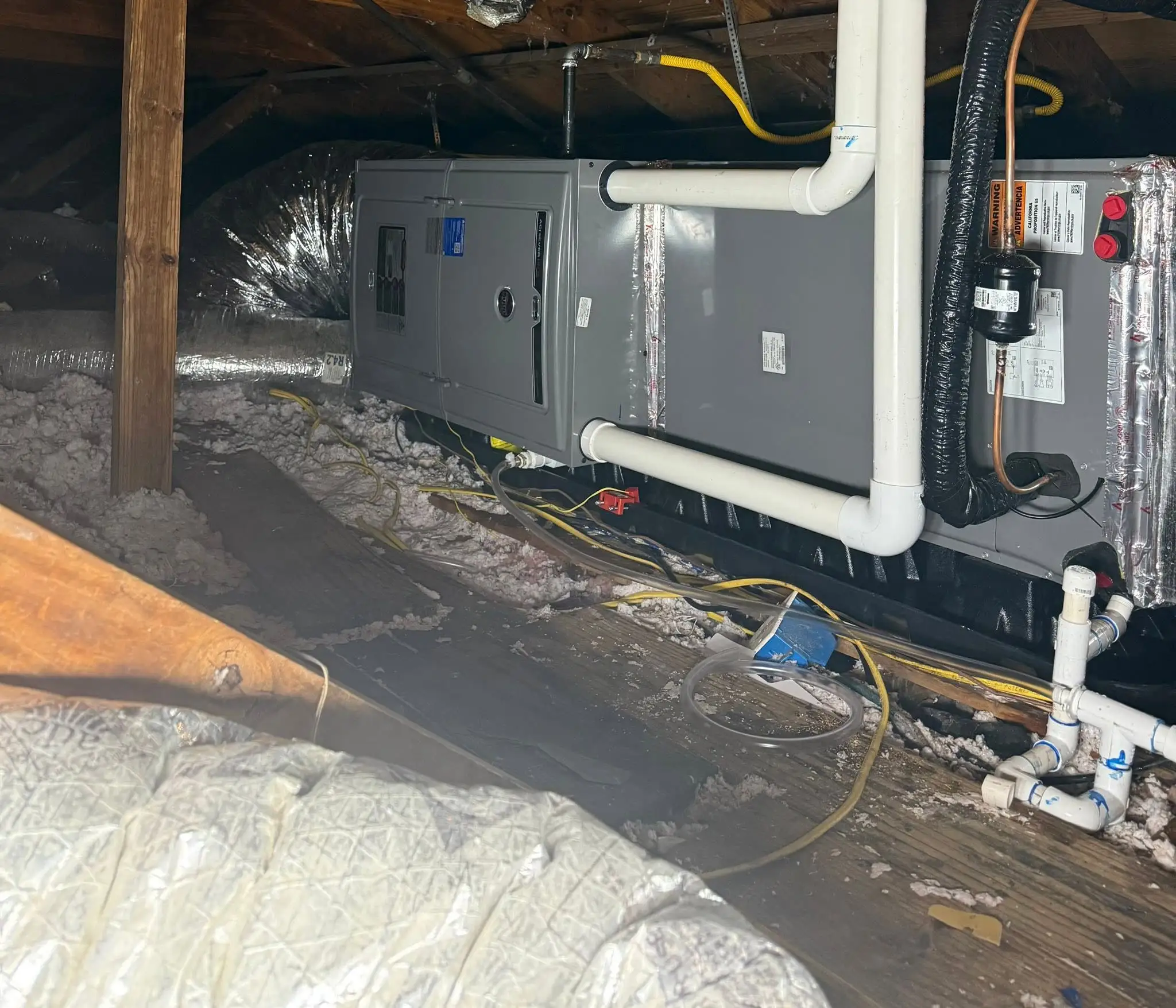
A full system maintenance covers a full system inspection, a refrigerant level check, coil cleaning where the coils are accessible, an inspection of the electrical components, and a check of airflow and duct condition. A furnace tune-up adds the burner and ignition, the blower and motor, and the safety controls. ENERGY STAR says it is best to check the cooling system in the spring and the heating system in the fall.
- Full maintenance: inspection, refrigerant check, coil cleaning, electrical check, airflow and duct check.
- Furnace tune-up: burner and ignition, blower and motor, safety controls, cleaning of essential components.
- ENERGY STAR: check the cooling system in spring and the heating system in fall.
- ENERGY STAR: inspect, clean or change air filters once a month.
- Maintenance visits are where safety problems such as a cracked heat exchanger or a leaking gas valve get caught.
The cooling-season visit
Our full system maintenance covers:
- A full system inspection
- A check of refrigerant levels
- Coil cleaning, where the coils are accessible
- An inspection of the electrical components
- A check of airflow and duct condition
- Making sure the system is ready for the season
The heating-season visit
Our furnace tune-up covers:
- A full system inspection
- A burner and ignition check
- A blower and motor evaluation
- Verification of the safety controls
- Cleaning of essential components
- Making sure the system is operating safely and efficiently
How this lines up with ENERGY STAR
ENERGY STAR publishes a maintenance checklist for contractors. A typical check-up on its list includes checking thermostat settings, tightening electrical connections, lubricating moving parts, inspecting the condensate drain and checking the system controls. For cooling it adds cleaning the evaporator and condenser coils, checking the refrigerant level and cleaning the blower components. For heating it adds checking gas connections, gas pressure, burner combustion and the heat exchanger.
It also says when: the cooling system in the spring and the heating system in the fall. And it gives homeowners one job of their own, which is to inspect, clean or change the air filter once a month.
Why it is worth doing
Dirty equipment means higher bills and a shorter system life. ENERGY STAR notes that airflow problems can reduce a system’s efficiency by up to 15 percent.
The bigger reason is safety. During a routine maintenance visit we found a cracked and deteriorating heat exchanger. On another we found a leaking gas shut-off valve. Routine maintenance gives us a chance to catch small problems before they become dangerous ones.
And it keeps older equipment working. Not every system needs to be replaced. With the right maintenance, older units can still perform efficiently and reliably.
Schedule it
Call or message (662) 660-3380, or send a service request and choose tune-up or maintenance.
Frequently asked questions
What is included in an HVAC tune-up?
Our full system maintenance includes a full system inspection, a refrigerant level check, coil cleaning where accessible, an electrical inspection, and an airflow and duct check. The goal is a system that is ready for the season.
How often should I have my system serviced?
ENERGY STAR recommends pre-season check-ups each year: the cooling system in the spring and the heating system in the fall.
How often should I change my air filter?
ENERGY STAR says to inspect, clean or change air filters once a month in your central air conditioner, furnace or heat pump.
Does maintenance really prevent breakdowns?
It helps. Dirty coils and neglected systems lead to higher power bills and unexpected breakdowns. ENERGY STAR notes that airflow problems can reduce a system’s efficiency by up to 15 percent.
What gets checked on gas heat?
On a furnace tune-up we check the burner and ignition, evaluate the blower and motor, verify the safety controls and clean essential components. ENERGY STAR’s checklist for heating also covers gas connections, gas pressure, burner combustion and the heat exchanger.
Sources
- Maintenance Checklist. ENERGY STAR (U.S. EPA), Undated. Accessed 2026-11-13.
- Home Heating Equipment. U.S. Consumer Product Safety Commission, Undated. Accessed 2026-11-13.
Figures are national or published-source numbers as of the dates shown, not Smith Climate pricing.