Cracked Heat Exchanger: What It Is and Why It Matters
Last updated: 3 min read By Smith Climate Solutions LLC
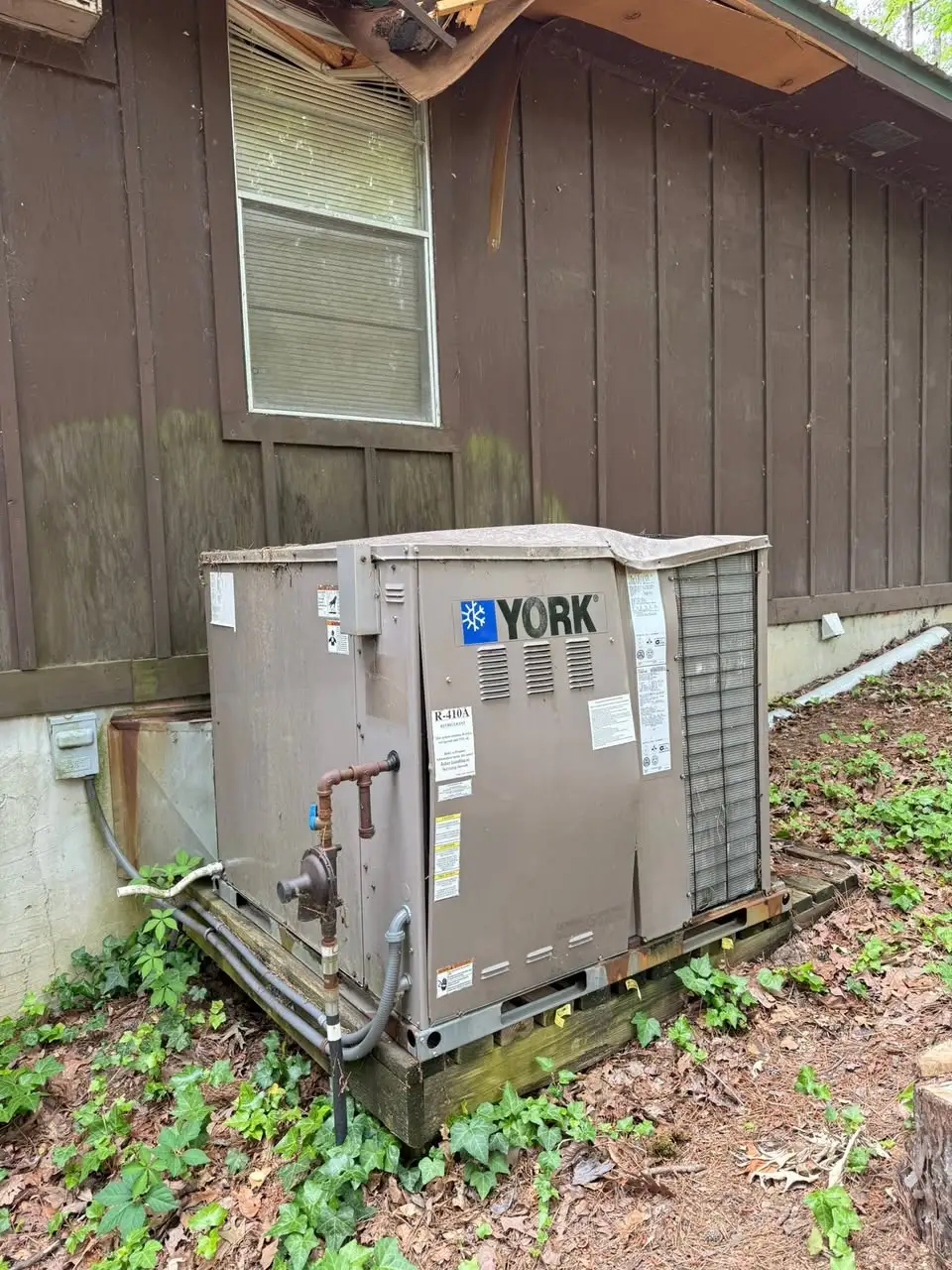
A heat exchanger is the metal wall inside a gas furnace or gas package unit that keeps the burner flame and its exhaust separate from the air blown through the house. A crack can let combustion gases, including carbon monoxide, into that air. It is a safety problem. The U.S. Consumer Product Safety Commission urges a yearly professional inspection of fuel-burning heating systems, which is how a crack usually gets found.
- A cracked heat exchanger can let combustion gases, including carbon monoxide, into the air in the house.
- You usually cannot see it yourself. It is found during a maintenance visit or a repair.
- The CPSC urges a yearly professional inspection of all fuel-burning home heating systems.
- The CPSC says to install CO alarms on every level of the home and outside sleeping areas.
- If a CO alarm sounds, move outside to fresh air and call 911.
What a heat exchanger does
A gas furnace or a gas package unit burns fuel to make heat. The flame and its exhaust stay inside a sealed metal chamber called the heat exchanger. The blower pushes house air across the outside of that chamber, the air picks up the heat, and the exhaust goes out the flue. The two never mix.
What a crack changes
When the metal cracks or deteriorates, that separation is gone. This is not just an efficiency issue. It can become a serious safety concern, with the potential for combustion gases, including carbon monoxide, to enter the conditioned air.
The U.S. Consumer Product Safety Commission says that each year more than 200 people die from unintentional, non-fire-related carbon monoxide poisoning associated with consumer products. Heating equipment is one of the sources it names.
How it gets found
You will rarely spot it yourself. During one routine maintenance visit we found a cracked and deteriorating heat exchanger, and the system was caught before the problem went unnoticed any longer. On another job we replaced a neglected unit after finding a dangerous crack.
Regular maintenance is not only about keeping your unit clean. It gives a technician a chance to catch dangerous problems before they become bigger ones. The CPSC urges consumers to schedule a yearly professional inspection of all fuel-burning home heating systems, including furnaces, chimneys, flues and vents.
What to do
- Have gas heat inspected before the cold season each year.
- Install carbon monoxide alarms on every level of the home and outside sleeping areas, as the CPSC advises.
- If an alarm sounds, get outside to fresh air and call 911.
- If your system is old, struggling, or has not been serviced in a while, get it checked. Call or message (662) 660-3380.
Frequently asked questions
Is a cracked heat exchanger dangerous?
Yes. A crack can allow combustion gases, including carbon monoxide, to enter the air that is blown through the house. Carbon monoxide has no smell or color. The CPSC lists headache, fatigue, shortness of breath, nausea and dizziness as symptoms at low to moderate levels.
How do I know if my heat exchanger is cracked?
Usually you do not, until a technician inspects it. We have found cracked and deteriorating heat exchangers during routine maintenance visits. That is one reason the CPSC urges a yearly professional inspection of fuel-burning heating systems.
Can a cracked heat exchanger be repaired?
On an older or neglected unit, the usual answer is to replace the system. When we found a cracked heat exchanger in a neglected unit, we installed a new system so the home had safe heat going forward.
What should I do if my carbon monoxide alarm goes off?
Move outside to fresh air immediately and call 911 or the fire department. The CPSC says never to ignore a sounding CO alarm and not to go back in until responders say it is safe.
Where should carbon monoxide alarms go?
The CPSC says to install battery-operated CO alarms, or CO alarms with battery backup, on every level of the home and outside sleeping areas.
Sources
- Home Heating Equipment. U.S. Consumer Product Safety Commission, Undated. Accessed 2026-11-13.
- Carbon Monoxide Fact Sheet. U.S. Consumer Product Safety Commission, Undated. Accessed 2026-11-13.
Figures are national or published-source numbers as of the dates shown, not Smith Climate pricing.