Repair or Replace? How to Decide on an Old AC or Furnace
Last updated: 3 min read By Smith Climate Solutions LLC
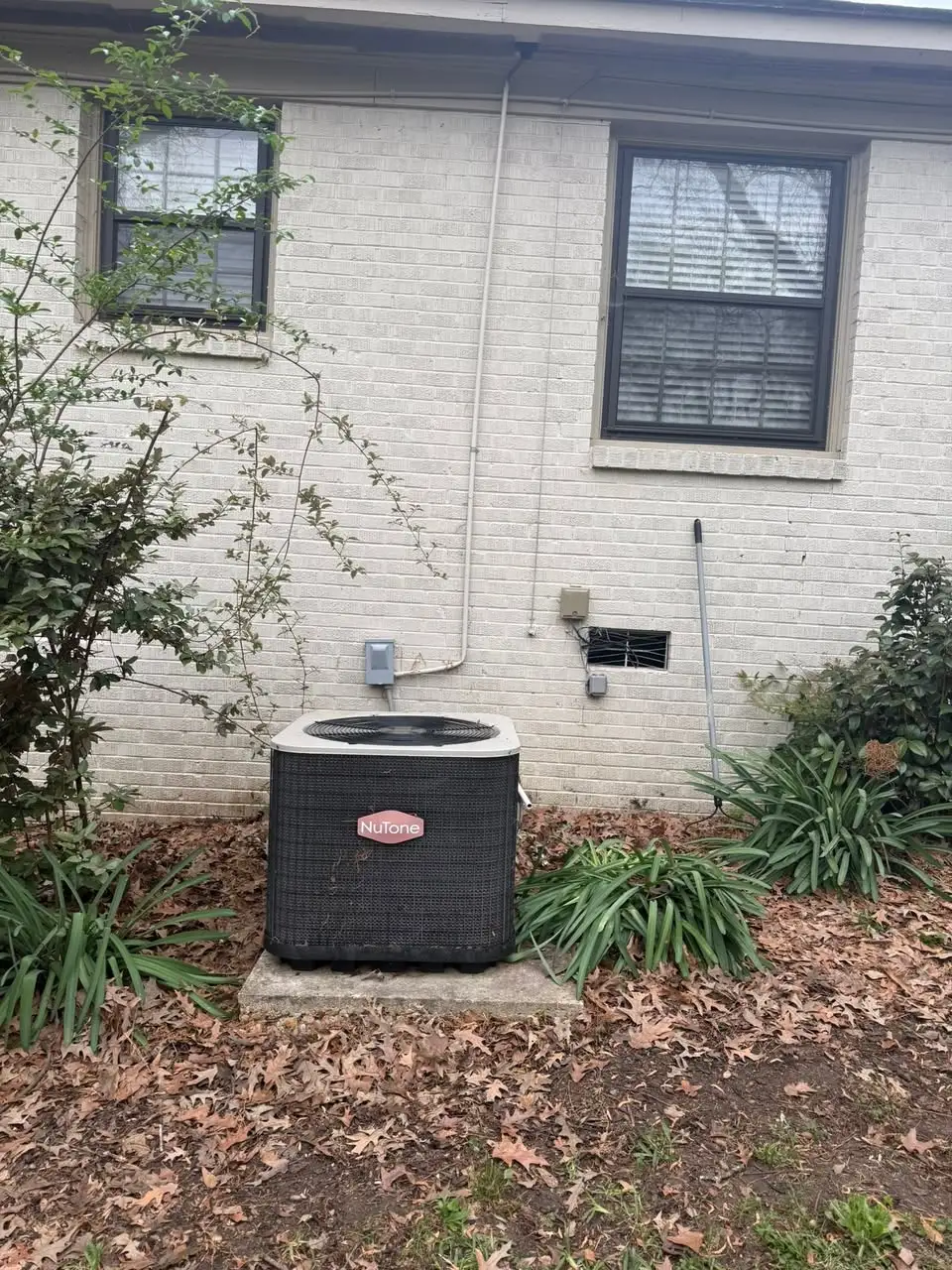
Repair the system when one part has failed and the rest of the equipment is sound. Consider replacing it when it is past the age ENERGY STAR gives (more than 10 years for a heat pump or air conditioner, more than 15 for a furnace or boiler) and it also needs frequent repairs, has a major failure such as a cracked heat exchanger, or has never kept the house comfortable. Ask what failed before you decide.
- A burnt control board, a blower motor or a draft inducer motor is a repair, not a reason to buy a system.
- ENERGY STAR says to consider replacement when a heat pump or air conditioner is more than 10 years old, or a furnace or boiler is more than 15.
- Frequent repairs together with rising energy bills is one of the signs ENERGY STAR lists.
- A cracked heat exchanger on an older unit usually tips the decision to replacement.
- Rooms that are too hot or too cold can be a duct problem, which a new unit alone will not fix.
Start with what failed
“Repair or replace” is the second question. The first one is: what broke?
A lot of no-cooling and no-heat calls come down to one part. We swapped a burnt control board on a package unit that had cooked a section of the board and left the system down. A new board and some cleanup brought it right back. We restored a mini-split with a new blower motor. We replaced a failing draft inducer motor on a gas package unit and cleaned years of dirt and rust out of the burner assembly.
None of those customers needed a new system. Sometimes it is best, and smarter for the wallet, to repair instead of replace.
The signs that point to replacement
ENERGY STAR publishes a short list. It says it may be time to consider replacing when:
- Your heat pump or air conditioner is more than 10 years old.
- Your furnace or boiler is more than 15 years old.
- Your equipment needs frequent repairs and your energy bills are going up.
- Some rooms are too hot or too cold.
- Your home has humidity problems or excessive dust.
- Your system is noisy.
Age alone does not decide it. An older system that is maintained and does its job can keep going. With the right maintenance, older units can still perform efficiently and reliably.
When replacement is the right call
Some failures change the math. A cracked heat exchanger is a safety problem, because a crack can let combustion gases into the air in the house. On an older, neglected unit, we replaced the system. We have also replaced two 22-year-old units on one home. Systems at that age lose efficiency, cost more to run, and carry a higher risk of a part failing.
What to ask
Ask what failed and why. Ask what the repair involves. If you are leaning toward a new system, ask for a free estimate so you can compare the two. Call or message (662) 660-3380.
Frequently asked questions
How old is too old for an air conditioner?
There is no age at which a system must be replaced. ENERGY STAR lists more than 10 years for a heat pump or air conditioner, and more than 15 for a furnace or boiler, as a point to consider it. A maintained system that still does its job and needs one part can reasonably be repaired.
What repairs are worth making?
Repairs to a single failed part on an otherwise sound system. We have put systems back to work with a new control board, a new blower motor and a new draft inducer motor. Sometimes it is best, and smarter for the wallet, to repair instead of replace.
When should I stop repairing?
When the repairs are frequent, the bills keep rising, or the failure is a major one such as a cracked heat exchanger. That is the point to get a free estimate on a new system and compare.
Will a new system fix a room that is always hot?
Not always. ENERGY STAR lists rooms that are too hot or too cold as a sign of improper equipment operation, duct problems or inadequate insulation. Have the ducts looked at before you buy equipment to solve a comfort problem.
Sources
- When is it time to replace?. ENERGY STAR (U.S. EPA), Undated. Accessed 2026-11-13.
Figures are national or published-source numbers as of the dates shown, not Smith Climate pricing.